
The Science Behind Clarifying Treatment Concentrate. How It Matches up to Acne Pathophysiology

In our previous post, we discussed acne’s biology and how it develops via several interlinked mechanisms – Altered sebum production Follicular hyperkeratinization Cutibacterium acnes (C. acnes) ecology Inflammatory immune activation Today, we’ll go through How CTC’s formula has been engineered to target these mechanisms. Acne isn’t one-note. It emerges from a network of pathways –…
What My Skin Is Telling Me This Summer (And How I’m Listening)

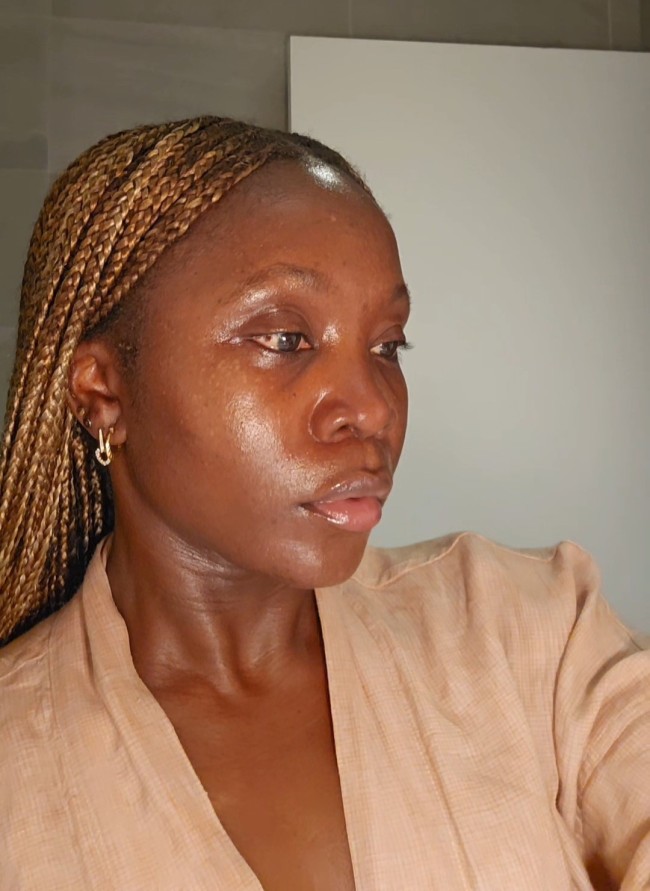
If there’s one thing I’ve learned after nearly two decades as a cosmetic scientist, it’s that your skin is always talking. The question is, are you listening? I always tell people, your skincare routine should evolve with you. Our skin is a living, responsive organ. It shifts as our environment, hormones, and habits shift. Sleep…

Behind the Formula: Why Our 0.06% Encapsulated Retinaldehyde Is a Game-Changer

Formula 6 | v.7 Cellular Repair Retinal Complex is formulated with 0.06% encapsulated retinaldehyde for potency, performance, and safety. Why Retinaldehyde? One step from active: Retinaldehyde converts to retinoic acid in just one step, compared to retinol’s two steps, making it up to 11x faster acting than retinol, without harsher effects. It helps stimulate collagen, boosts cell…

The Science Behind Vitamin C: Why Bioavailability & Stability Matter

When it comes to vitamin C in skincare, the conversation is too often dominated by percentages. But real science and real results come down to one key factor: bioavailability. The Problem with L-Ascorbic Acid (L-AA) L-Ascorbic Acid is the purest and most biologically active form of vitamin C. However, it’s also one of the most…

Everything you need to know about Retinoids

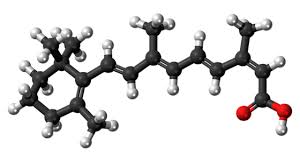
Retinoids, are derivatives of vitamin A that can be found in nature from animal and plant sources, although most commercially available retinoid products are produced synthetically in the lab. Retinoids are molecules that bind to and activate retinoic acid receptors to influence the proliferation (cell growth & division) and differentiation (unspecialized to specialized) of cells.…

Acetyl Glucosamine – The multi purpose active ingredient

N-acetyl-d-glucosamine (NAG) is an amino-monosaccharide that acts as a substrate precursor (one of it’s many functions) for the biosynthesis of polymers such as glycosaminoglycans  (i.e hyaluronic acid). It is easily incorporated in the skin layers due to its smaller molecule size. A hydrophilic molecule, mostly water soluble, this enhances it’s ability to be effectively delivered…

Bakuchiol: The sensitive skin alternative to retinol

  Bakuchiol, a meroterpene, is a phenolic compound with a monoterpene side chain. It belongs to a rare group of terpenoids in which the aromatic ring system is derived from a phenylpropane unit. It has no structural resemblance to retinoids, but has similar functionalities. Bakuchiol helps control inflammation by inhibiting/down regulating pro-inflammatory genes and enzymes,…

The Ultimate Protection: Vitamin C AOX Network

Formulated with stable, vegan 3-O- Ethyl Ascorbic Acid (EAA), to provide superior anti-oxidative action and effective cellular melanogenesis inhibition. EAA penetrates skin where it is metabolised into Ascorbic Acid. Due to this process, it’s efficacy is more pronounced than that of Ascorbic Acid. It’s slower release also means it’s less irritating and provides a slower but more…