
The Science Behind Clarifying Treatment Concentrate. How It Matches up to Acne Pathophysiology

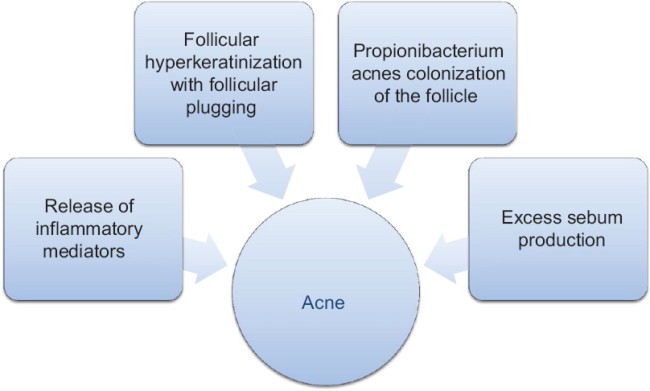
In our previous post, we discussed acne’s biology and how it develops via several interlinked mechanisms – Altered sebum production Follicular hyperkeratinization Cutibacterium acnes (C. acnes) ecology Inflammatory immune activation Today, we’ll go through How CTC’s formula has been engineered to target these mechanisms. Acne isn’t one-note. It emerges from a network of pathways –…
The 3 Science-Backed Pillars of Treating Hyperpigmentation

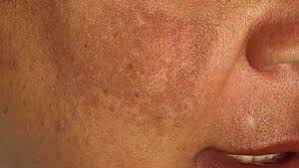
When it comes to hyperpigmentation, there’s a lot of noise. Pigmentation is complex and no single product or “miracle ingredient” will fix it. Our approach is built on three pillars that work together to target pigment at multiple levels of the skin, so results are more effective and longer-lasting. Regulating Melanin Production & Transfer This…

The Importance of Packaging in Skincare Product Development

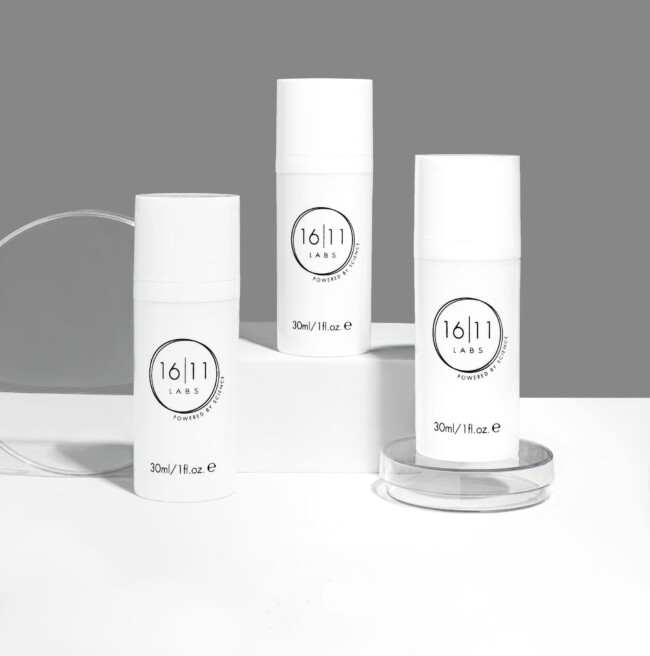
At 1611 LABS, we’re doing things differently. Most skincare brands rarely talk about packaging, but for us, education and transparency aren’t optional. They’re woven into everything we do. That’s why we’re bringing you behind the scenes of one of the most overlooked (but vital) parts of skincare: how your products are housed, protected, and preserved.…

Behind the Formula: Why Our 0.06% Encapsulated Retinaldehyde Is a Game-Changer

Formula 6 | v.7 Cellular Repair Retinal Complex is formulated with 0.06% encapsulated retinaldehyde for potency, performance, and safety. Why Retinaldehyde? One step from active: Retinaldehyde converts to retinoic acid in just one step, compared to retinol’s two steps, making it up to 11x faster acting than retinol, without harsher effects. It helps stimulate collagen, boosts cell…

The Science Behind Vitamin C: Why Bioavailability & Stability Matter

When it comes to vitamin C in skincare, the conversation is too often dominated by percentages. But real science and real results come down to one key factor: bioavailability. The Problem with L-Ascorbic Acid (L-AA) L-Ascorbic Acid is the purest and most biologically active form of vitamin C. However, it’s also one of the most…

Everything you need to know about Retinoids

Retinoids, are derivatives of vitamin A that can be found in nature from animal and plant sources, although most commercially available retinoid products are produced synthetically in the lab. Retinoids are molecules that bind to and activate retinoic acid receptors to influence the proliferation (cell growth & division) and differentiation (unspecialized to specialized) of cells.…

Acetyl Glucosamine – The multi purpose active ingredient

N-acetyl-d-glucosamine (NAG) is an amino-monosaccharide that acts as a substrate precursor (one of it’s many functions) for the biosynthesis of polymers such as glycosaminoglycans  (i.e hyaluronic acid). It is easily incorporated in the skin layers due to its smaller molecule size. A hydrophilic molecule, mostly water soluble, this enhances it’s ability to be effectively delivered…

Bakuchiol: The sensitive skin alternative to retinol

  Bakuchiol, a meroterpene, is a phenolic compound with a monoterpene side chain. It belongs to a rare group of terpenoids in which the aromatic ring system is derived from a phenylpropane unit. It has no structural resemblance to retinoids, but has similar functionalities. Bakuchiol helps control inflammation by inhibiting/down regulating pro-inflammatory genes and enzymes,…