

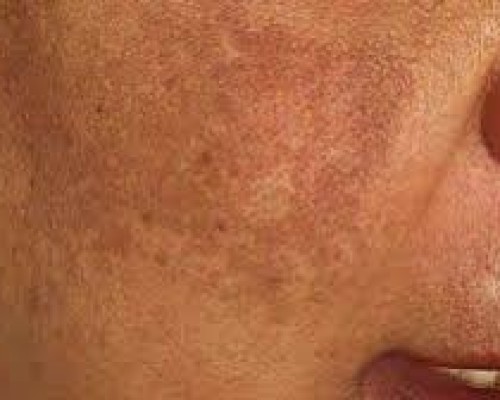
When it comes to hyperpigmentation, there’s a lot of noise. Pigmentation is complex and no single product or “miracle ingredient” will fix it. Our approach is built on three pillars that work together to target pigment at multiple levels of the skin, so results are more effective and longer-lasting.
Regulating Melanin Production & Transfer
This is the root of the problem. If your melanocytes are overproducing pigment, you have to address the signal that’s telling them to do so.
This is the root of the problem. If your melanocytes are overproducing pigment, you have to address the signal that’s telling them to do so.
Key ingredients: Niacinamide, Azelaic Acid, Alpha Arbutin, Peptides.
How it works: Slows down overactive melanocytes and reduces the transfer of pigment to skin cells.
Increasing Skin Renewal
Even if you stop excess melanin from forming, existing pigment needs to be lifted away. Certain ingredients help accelerate the shedding of pigmented cells, but they must be used carefully to avoid triggering more inflammation.
Even if you stop excess melanin from forming, existing pigment needs to be lifted away. Certain ingredients help accelerate the shedding of pigmented cells, but they must be used carefully to avoid triggering more inflammation.
Key ingredients: Retinoids, AHAs, Polyhydroxy Acids.
How it works: Speeds up the removal of pigmented cells and stimulates cell renewal.
Protecting + Repairing the Skin Barrier
Inflammation is one of the most overlooked causes of hyperpigmentation. If your barrier is compromised, your skin is more likely to respond to even minor triggers. Repairing it makes other treatments more effective.
Inflammation is one of the most overlooked causes of hyperpigmentation. If your barrier is compromised, your skin is more likely to respond to even minor triggers. Repairing it makes other treatments more effective.
Key protection: Daily broad-spectrum SPF, Antioxidants (Vitamin C, Resveratrol), Barrier Repairing Actives (Ceramides, Peptides, Ectoin, Glyceryl Glucoside).
How it works: Shields skin from UV and oxidative stress, stopping new dark spots before they form, calms inflammation.
As skin ages, it becomes more reactive to environmental triggers but slower to repair. Addressing only one pillar is like fixing the roof but ignoring the cracks in the foundation, it won’t last.
Together, these pillars create lasting change not quick fixes.